
Aluminum Grating Manufacturer Reveals What to Look for in High-Quality Grating
2026-10-15
Most buyers assume all aluminum grating is the same—until a walkway starts to corrode or a platform flexes under load. Sino Grating, a manufacturer that has watched countless projects succeed and fail on the strength of their grating, is revealing the non-obvious features you should check before making a purchase. No vague sales speak—just practical markers of high-quality grating that will save you from expensive replacements down the line.
Choosing an Alloy That Can Handle the Environment
Most material failures start with a simple mismatch between what the alloy was designed to resist and what it actually faces day to day. Salt spray near a coast, trace chlorides in process water, or even the pH of morning dew can eat through a well-intentioned choice in a few seasons. Start by listing the specific corrosive agents, temperature swings, and mechanical stresses the component will see — not just the headline chemical, but the secondary pollutants and wet-dry cycles that often do more damage.
Then think about how the alloy behaves at the surface. Some grades form a passive oxide layer almost instantly, while others rely on a coating that gets scratched during installation. If the part will be buried, welded, or bolted against a different metal, galvanic effects can accelerate corrosion in unexpected ways. Look for alloy families that have a long track record in similar real-world settings — marine fixtures, chemical tanks, food processing equipment — rather than relying on a single laboratory salt-spray rating.
Finally, balance corrosion resistance with practicality. A superalloy may handle the environment perfectly but fail on cost, machinability, or availability. Sometimes the smartest move is a slightly less exotic alloy with a proven post-treatment or a design change that avoids crevices where moisture lingers. Match the alloy to the whole life of the component, including maintenance access and replacement intervals, and you’ll avoid the trap of over-specifying while still getting a part that lasts.
The Real Meaning Behind Load Tables
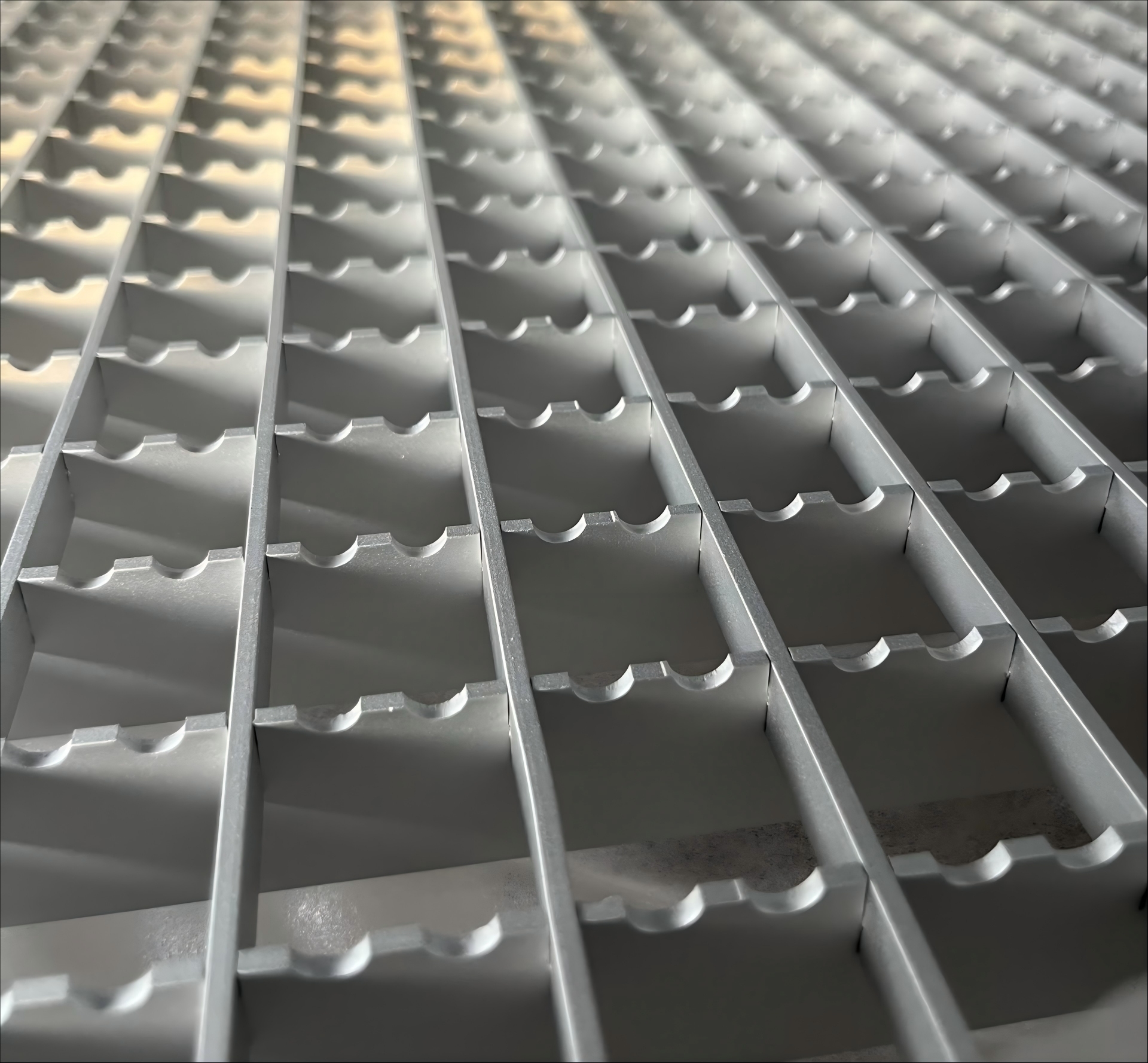
Load tables rarely reveal their true purpose at first glance. They are not merely columns of numbers or engineering jargon, but a quiet conversation between the material, the structure, and the people who will use it. When you read a load table, you are actually reading a promise: that the beam will hold under certain conditions, that the floor will not sag, that the roof will bear the snow. The real meaning hides in the margins—safety factors, deflection limits, and the unspoken assumption that lives and livelihoods depend on getting it right.
Many people assume load tables are absolute truths, but they are more like careful sketches of reality. Each number carries a context: the span, the spacing, the grade of lumber or steel, the duration of the load. A load table for a residential floor looks different from one for a warehouse mezzanine, not because the physics change, but because the expectations do. The real meaning is in those expectations—what we are willing to accept as "good enough" and what we demand as "safe." A 1/360 deflection limit might sound arbitrary, but it represents a balance between comfort, cost, and trust.
Ultimately, load tables are a form of shared knowledge. They let a designer in one city specify a beam with confidence that a builder in another city will understand. They translate decades of testing, failures, and field observations into a format that fits on a single page. The real meaning is not the maximum load itself, but the invisible handshake between those who calculate and those who construct. When you look at a load table and see only numbers, you are missing the story of how we learned to build things that do not fall down.
Why Coatings Fail and What to Demand Instead
Coatings rarely fail because of one dramatic event. More often it is a slow accumulation of overlooked details: surface prep skipped on a Friday afternoon, a hardener measured by eye instead of scale, or a spec sheet that promised chemical resistance but never mentioned the actual solvent mix in your facility. By the time peeling starts, the damage has been moving through the film for months.
Another common culprit is mismatch between resin chemistry and service conditions. A coating that survives salt spray in a lab can still crack under thermal cycling, or soften when exposed to traces of amine blush left from an earlier coat. If your supplier cannot tell you the glass transition temperature, the maximum continuous service temperature, or how the product behaves after a 48-hour water immersion, you are not buying a coating; you are buying a guess.
What to demand instead is straightforward. Ask for batch-specific test data, not marketing averages. Require adhesion testing on your actual substrate, not a blasted steel coupon. Insist on a written recoat window and a defined failure analysis process if something goes wrong. Coatings that earn their place are backed by people who know what the film can and cannot survive — and who tell you before the job, not after the blistering starts.
Serrated or Smooth Surfaces for Different Foot Traffic
Choosing between serrated and smooth flooring often comes down to the rhythm of feet passing over it. In busy entryways, a smooth surface may look sleek at first, but it quickly becomes a liability when shoes drag in rain or snow. Serrated treads, with their fine grooves, interrupt the wet film before it can turn into a slide, giving each step a subtle grip that feels more like a nudge than a bite. That difference matters most in places where people move quickly without watching the ground—think transit hubs, loading docks, or stairwells in older buildings.
Smooth surfaces still earn their keep in quieter, controlled environments. A polished concrete floor in a boutique or a smooth metal plate in a private workshop works because the foot traffic is light and predictable. There’s no constant abrasion from grit, no rush of damp soles, so the risk of slipping stays low. The visual payoff is real too: smooth finishes reflect light evenly and clean up with a single pass, which is why you’ll see them in showrooms and back offices where the main concern is dust, not traction under pressure.
The smartest choice isn’t to pick one and ignore the other, but to read the actual foot traffic pattern. A ramp that handles a morning rush of commuters needs serrated edges even if it looks a bit industrial. A side corridor used twice a day by two employees can stay smooth without apology. Pay attention to the transitions too—where a smooth hallway meets an outdoor entrance, a short run of serrated plate can save someone from a hard fall, and that small adjustment often says more about good design than any single surface ever could.
How Bar Spacing Changes Everything Underfoot
Tight bar spacing tends to blur individual bars into a nearly continuous surface, which can feel stable under a work boot but also traps debris, mud, and snow in the narrow gaps. Walk across a platform with bars set close together and your foot rarely registers the edges; the sensation is closer to a textured floor than a true grate. That same density, though, turns into a liability in wet or icy conditions because water sits in the channels longer, and the reduced drainage creates a slick film that extends across multiple bars.
Widen those gaps even by a few millimeters and the entire underfoot experience shifts. Each step now produces a distinct edge against the sole, and softer shoe materials can press into the openings, giving a slight catch-and-release rhythm that alters your pace. If the spacing gets too generous, narrow heels, cane tips, or animal paws find ways to slip through or wedge sideways, which forces the body to adjust balance mid-stride. That constant micro-correction becomes tiring on long stretches, even when the surface looks perfectly safe from a distance.
The spacing also changes how light and shadow play beneath your feet, which subtly influences confidence. Wide bars cast striped shadows on the ground below, creating a flickering pattern that can make depth perception feel off, especially on elevated walkways. Tight bars soften this effect and keep the visual field calmer, but they sacrifice the quick drainage and self-cleaning benefits that wider spacing offers. Choosing the right distance is rarely about a single factor; it is about how the surface interacts with boots, wheels, weather, and the person who has to trust every step.
Weld Quality You Can Inspect Before Buying
Real weld quality shows up long before you sign the paperwork. Look for consistent bead width and a smooth, even ripple pattern across the joint—uneven spacing or sudden narrowing often points to inconsistent heat or travel speed. Check both sides of the weld for full penetration: the back side should show a shallow, uniform bead without excessive melt-through. Don't settle for just a quick glance; run your fingers along the joint to catch undercut, overlap, or tiny pinholes that photos hide.
On critical joints, ask to see cut-and-etch samples or macro photos. A cross-section reveals internal porosity, lack of fusion, or inclusions that no surface polish can mask. Compare the weld's throat thickness and leg length to what the design actually requires—many fabricators overstate strength while underfilling the joint. If they hesitate to show sectioned welds from the same batch, treat that as a red flag, not a minor delay.
Finally, match the welder's technique to the material and position. A vertical-up weld on thick steel should have distinct, closely stacked ripples; a flat weld on aluminum needs tight, almost glossy passes without soot or pepper-like specks. Request the welding procedure specification (WPS) and confirm the welder's qualification covers that exact process. A reputable shop will walk you through every pass, pausing at the points where inspection matters most.
FAQ
Aluminum naturally resists corrosion without relying on a coating that can chip or wear away. In coastal or chemical-heavy settings, steel often starts rusting at cut edges or scratches, while aluminum forms a protective oxide layer that heals itself. It also weighs roughly one-third as much, so installation and support structures become simpler and less expensive.
Look for consistent weld points or clean swage-locked joints with no sharp burrs, spatter, or uneven spacing. A quality panel should feel smooth underfoot but still provide reliable slip resistance. If the serration pattern is irregular or the bars are misaligned, that usually points to rushed fabrication.
Ask for span tables or third-party test data that match the exact bar size, depth, and spacing you plan to use. Don't settle for a generic brochure number. Reputable manufacturers can supply calculations for uniform loads, concentrated loads, and deflection limits based on your clear span.
Depth contributes heavily to stiffness and span capability. A deeper bar can carry more load over a wider opening without adding extra supports. Buyers sometimes focus only on material thickness, but increasing depth often gives you far more strength per pound than simply making the bars thicker.
Ask which aluminum alloy they use—6061 and 6005A are common for structural work—and whether they can provide mill certifications. Also check if they recycle scrap into the mix and how they control temper. Consistent alloy and temper help ensure the finished grating doesn't crack during fabrication or sag prematurely in service.
Yes. Watch for panels that rattle or shift under foot traffic, edges that weren't properly banded, or cutouts that leave exposed sharp corners. Warped panels that need to be forced into place often mean the manufacturer didn't stress-relieve or handle the material carefully. These issues tend to show up within the first few months.
Make sure each quote lists the same alloy, bar size, spacing, finish, and load rating. A lower price often hides thinner bars, wider spacing, or a mill finish that will dull quickly. Ask for a sample before committing—it's one of the fastest ways to judge fit, finish, and overall workmanship.
They should be willing to review your drawings before fabrication, offer installation guidance, and respond quickly if a panel arrives damaged or out of spec. Look for a company that asks about your actual usage—foot traffic, cart loads, chemical exposure—rather than just pushing a stock panel.
Conclusion
Selecting aluminum grating that will actually hold up starts with the alloy itself. Many buyers assume all aluminum is the same, but a marine or chemical environment demands 6061 or 6063 with proper temper, while 5052 may be a better fit where salt spray is constant. The next hidden pitfall is the load table. Manufacturers don't always disclose whether their numbers reflect concentrated loads, uniform loads, or deflection limits; a table that looks better can simply be based on a higher allowable deflection. Ask for the exact testing standard and compare like with like. Coatings are another place where failures begin. Anodizing gives a thin, hard surface but can wear through on high-traffic edges; powder coating adds thickness but chips if the pretreatment is skipped. Demand a documented multi-stage cleaning and conversion coating before any finish is applied.
Underfoot, the choice between serrated and smooth surfaces should follow the actual use. Serrated bars offer grip when wet or oily, but they hold debris and are harder on bare feet; smooth bars are easier to clean and more comfortable for indoor pedestrian areas. Bar spacing changes more than drainage. Wider spacing reduces weight and cost but increases the chance of a heel catching or a tool slipping through; narrower spacing adds safety and stiffness but may require more support structure. Finally, inspect the welds before you buy. High-quality aluminum grating shows consistent, penetrating welds at every bar intersection, with no cracks, undercut, or excessive buildup. A quick visual check of a single panel can tell you more about the manufacturer's process than any datasheet.
Contact Us
Contact Person: Nicholas Zhu
Email: [email protected]
Tel/WhatsApp: 18921275456
Website: https://www.sino-grate.com