
China Polyurethane Production Line Exporter: Advanced Solutions for Global Manufacturers
2026-10-31
Every minute your polyurethane line runs below capacity, a competitor somewhere is shipping your customers' orders. That's the harsh math driving global manufacturers to rethink their equipment sources—and increasingly, they're looking at China. But with dozens of exporters claiming advanced solutions, how do you separate real engineering from marketing noise? YI ZHOU TECHNOLOGY has built its reputation by answering that question with production data, not promises.
How Chinese Polyurethane Line Builders Rethink Modular Production
Chinese polyurethane line builders have moved beyond simple skid-mounted modules. Instead of bolting together fixed blocks, they now design fluid interfaces where mixing heads, metering units, and temperature control loops can be swapped or reconfigured within hours. One workshop in Shandong keeps a library of pre-tested subassemblies, each with its own control logic baked in. When a client needs to shift from rigid foam panels to spray-applied insulation, the same backbone frame accepts a different high-pressure module without rewiring the entire cabinet.
This approach flips the usual logic of modularity. Traditional designs start from a complete machine and then break it into convenient shipping sections. The newer Chinese practice starts from the process choreography: pour rate, viscosity drift, and cure profile are treated as independent variables. A reactive extrusion line for shoe soles, for example, can be split into three movable carts that dock together via quick-release manifolds. The operator only sees a single touchscreen, but underneath, each cart runs its own PLC and can be tested separately before final assembly. That reduces commissioning time on the customer floor from weeks to days.
Material suppliers have noticed the difference. Rather than shipping a turnkey plant that requires a concrete foundation and fixed piping, these builders offer a modular kit that can be reorganized as the product mix changes. A Jiangsu manufacturer recently delivered a polyurethane casting system where the day tank, vacuum degasser, and dispensing robot share a common rail. The customer can slide the robot to a second station for occasional elastomer parts without buying a whole new line. That kind of built-in flexibility is changing how downstream factories plan their floor space and capital budgets.
Inside the Engineering Choices That Set Export-Grade Lines Apart
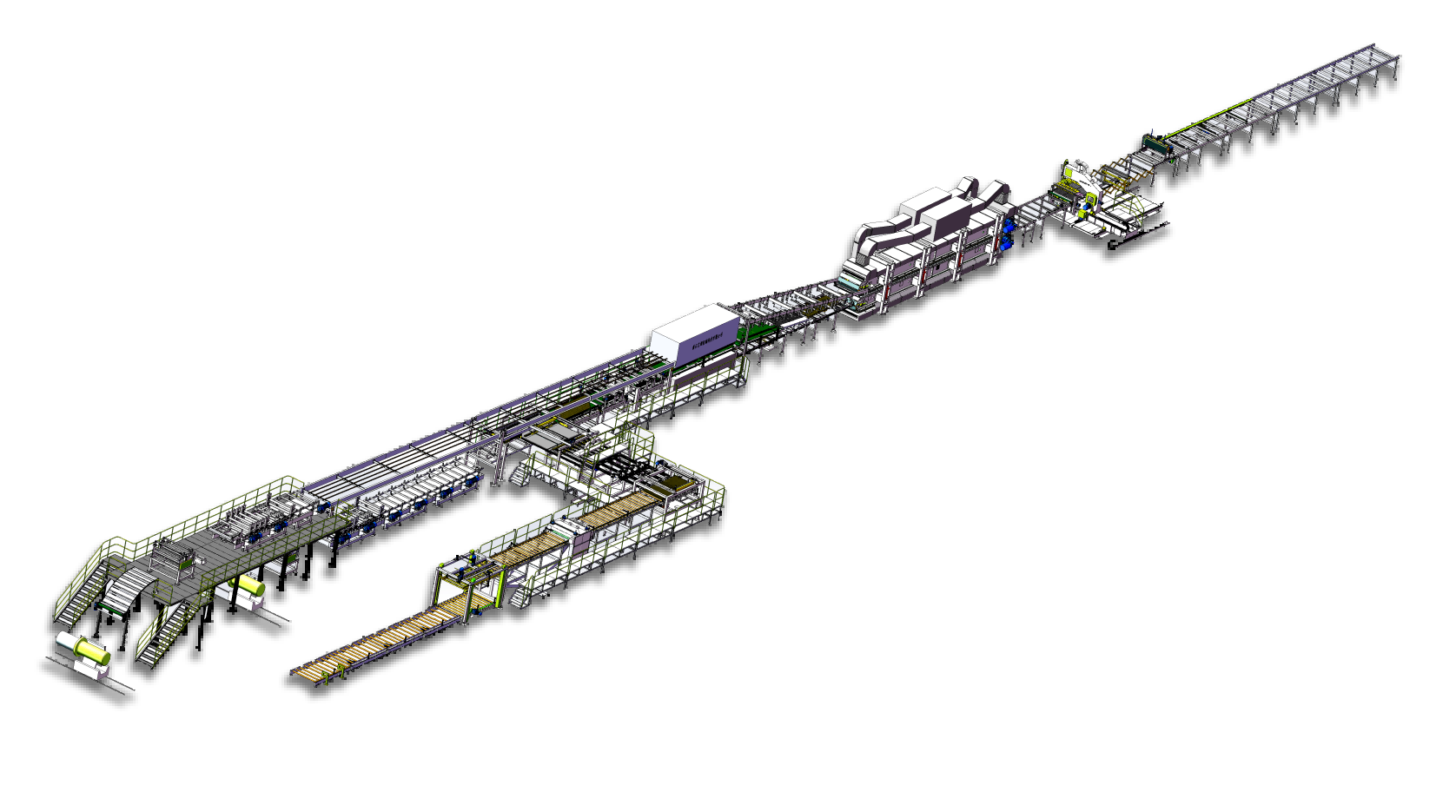
What separates a line that survives the rigors of export from one that merely looks good on a spec sheet often comes down to a handful of unglamorous, deeply deliberate engineering decisions. These are not the choices that show up in glossy brochures; they live in the tolerance stack-ups of a bearing bore, the corner radius of a cast housing, or the specific alloy picked for a bracket that will spend years in salt-laden air. A team that truly understands export markets designs for the harshest handling, the least predictable maintenance schedules, and the most demanding regulatory environments—and then adds margin on top of that.
One clear tell is the treatment of thermal and vibration stress. Export-grade lines typically derate components well below their theoretical limits and specify dampening or isolation strategies that seem excessive for domestic use. Another is the approach to fasteners and corrosion: instead of relying on coatings that fade, they use inherently resistant materials, isolated dissimilar metal contacts, and geometries that allow for easy field replacement without specialized tooling. These choices are invisible until the equipment has been in service for years, but they are exactly what keep a line running when spare parts are three weeks away.
Finally, the control and sensing architecture often gets a level of redundancy and self-diagnostic depth that domestic variants skip. Export-grade lines anticipate that the local technician may be experienced with a rival brand, so schematics are layered, fault codes are descriptive rather than proprietary, and critical sensors are duplicated or configured in voting logic. None of this is flashy, but it compounds into a reputation for reliability that no marketing campaign can manufacture.
Why Global Manufacturers Are Rethinking Their Polyurethane Equipment Partners
For years, the choice of a polyurethane equipment partner often came down to familiar names and entrenched supply chains. But a quiet shift is underway. Plant managers and procurement teams are looking beyond legacy vendors, driven by persistent pain points: unplanned downtime that drags on for days, spare parts that arrive weeks late, and technical support that feels more like a call center script than a conversation with an engineer. When a metering pump seizes mid-shift or a mixhead starts drifting out of spec, the cost isn't just the repair—it's the stalled production line, the missed delivery windows, and the overtime scramble to rework defective parts.
What's pushing this rethink isn't a single dramatic failure but an accumulation of smaller frictions. Legacy equipment often came with proprietary software locks, making even routine diagnostics dependent on the vendor's schedule. Training was a one-time event, leaving new operators to learn through trial and error. Meanwhile, newer players in the market have started offering modular designs with off-the-shelf components, remote troubleshooting that actually pinpoints the issue before a technician boards a plane, and service contracts that don't read like a maze of exclusions. Manufacturers are noticing that agility in a partner translates directly to agility on the factory floor.
The calculus is changing because the stakes are higher. Custom polyurethane parts now go into everything from medical devices to electric vehicle battery seals, where tolerances are tighter and batch consistency is non-negotiable. A partner that treats every line as a one-off project—rather than a long-term process optimization—becomes a liability. Smart manufacturers are asking harder questions: Can this vendor support a retrofit without forcing a full system replacement? Will they share performance data openly, or hide behind black-box algorithms? The answers increasingly favor partners who act less like equipment suppliers and more like engineering collaborators, and that's why the old loyalties are eroding.
From Raw Material Handling to Curing: Where Precision Actually Matters
Most tire plants treat raw material handling as a formality—unload, store, dose, repeat. But if the silica shipment sits in a humid corner for two extra days, or the carbon black feed drifts by half a percent, the downstream mixing stage inherits a viscosity mismatch nobody notices until the extruder starts surging. Precision here isn't about champagne-level accuracy on a spec sheet; it's about knowing which variables actually bend the final modulus and which ones are just noise. You can measure everything and still miss the point—temperature of the mill room, the exact age of the masterbatch, even the operator's pause between weighments. That's where real control lives.
Then comes the curing press, where the rubber finally commits to its shape and crosslink density. Every second of under-cure shaves off fatigue life; every degree of over-cure trades resilience for brittleness. The sneaky part is that the thermocouple in the mold only tells you what's happening at one point, while the thick tread shoulder lags behind by half a minute. That's why good plants stop chasing a single “ideal” cure time and start mapping the heat history of each cavity. Once you treat the cure curve as a fingerprint instead of a stopwatch, rework rates drop without anyone heroically tweaking the press.
What connects the raw material dock to the final curing station is a chain of small, stubborn decisions. Not the kind that require a Six Sigma black belt, but the kind that demand someone paying attention to the pile of crumbs under the batch-off cooler or the slight flattening of the pressure trace during the last thirty seconds of cure. Precision, in this world, isn't a headline metric—it's the difference between a tire that ages gracefully and one that surprises you at 40,000 miles.
The Overlooked Cost Factors in Polyurethane Line Imports
Unit price rarely tells the whole story when importing polyurethane lines. Freight charges can swing wildly depending on container space and fuel surcharges, and that's before port handling fees, customs brokerage, and bonded warehouse storage enter the picture. A shipment that looks cheap on paper often arrives with a landed cost 20–30% higher once these line items get added.
Then there are the less visible drains: paying for third-party inspection after a batch fails tolerance checks, holding extra inventory because lead times stretch past 60 days, or covering import duties that shift with trade policy mid-transit. Some buyers also overlook the cost of reworking surface defects or the slower production speeds caused by inconsistent diameter. These factors quietly erode margins long after the invoice is paid.
What a Reliable Export Partnership Looks Like Beyond the Quotation
A reliable export partnership rarely announces itself in the quotation. The numbers matter, but they do not reveal whether the supplier will flag a customs issue before it becomes a delay, or quietly adjust packaging to survive a rough shipping route. It shows up in unrequested updates: a photo of the production line mid-run, a heads-up about a raw material price shift before contract renewal, a question about your end user's climate that seems too detailed until it prevents a warranty claim six months later.
Beyond the quote, reliability looks like a shared calendar rather than a purchase order. The exporter treats your inventory turns as their own metric, suggesting smaller batch sizes when warehouse costs spike or offering flexible payment terms during a seasonal cash crunch. It also appears as continuity—the same contact who remembers that your Brazilian distributor rejects pallets over a certain height, or that your documentation for Egypt needs a specific certificate sequence. These are not extras; they are the actual product of the partnership. The quotation only starts the conversation.
FAQ
The range covers rigid and flexible foam lines, elastomer casting systems, and high-pressure mixing equipment. Each line can be configured for specific outputs like insulation panels, automotive seats, or shoe soles, with options for continuous or discontinuous production.
Engineers begin with a technical audit of the client's product specifications, target output, and factory layout. Then they adjust mixing head design, conveyor length, temperature control zones, and automation level so the final line matches the actual production workflow instead of forcing a standard setup.
Every line undergoes a full trial run with the client's own raw materials whenever possible. Checks cover metering accuracy, mixing homogeneity, foam density consistency, and control system response. Only after passing a 72-hour continuous operation test is the equipment packed for export.
Yes, field engineers typically stay on site for two to four weeks. They supervise mechanical assembly, calibrate dosing units, run initial production batches, and train operators on daily maintenance and troubleshooting. Remote video support remains available after commissioning.
Spare parts are stocked in regional warehouses to cut delivery time. The service team offers scheduled inspections, software updates for the control system, and 24/7 emergency response through a dedicated technical hotline. For complex issues, engineers can be dispatched within a short lead time.
The mixing heads use high-precision servo motors to minimize over-spray and chemical waste. Heat recovery systems on curing ovens capture exhaust energy for pre-heating. These features typically lower power consumption by 15–20 percent compared with older line designs.
Equipment meets CE, ISO 9001, and relevant safety directives for the destination market. Electrical components are sourced from brands with global certification coverage, and the documentation package includes full material certificates, wiring diagrams, and inspection reports.
Standard configured lines can be ready in 60 to 75 days. Custom-built systems with special tooling or higher automation levels may take 90 to 120 days. The exporter provides a detailed production schedule after the design freeze so buyers can plan factory preparation.
Conclusion
China's polyurethane production line exporters have moved well beyond the old copy-and-scale approach. Many builders now treat modularity as a design philosophy, not just a way to cut shipping costs: sections are pre-commissioned where possible, control architectures are split so a single module can be upgraded without rewiring the whole line, and interfaces are standardized for local integration. That rethinking shows up in engineering choices too. Export-grade lines pay attention to details that domestic-only systems often skip, such as accurate temperature control across long resin feed paths, servo-driven metering units with deviation logs, and curing tunnels that maintain airflow consistency instead of just hitting a nominal temperature. These decisions matter most where raw material handling meets mixing and curing, because small variations in viscosity or temperature can quietly ruin batch consistency.
Cost discussions usually focus on the quotation, but that misses several deeper factors. Freight and import duties are only the beginning: the real hidden expenses often come from installation support, spare parts lead times, and whether the line's documentation is detailed enough for local technicians to troubleshoot without waiting for a factory engineer. A reliable export partnership is visible after the quote is signed. It includes honest advice on which options are worth paying for, realistic commissioning schedules, and a willingness to share maintenance data instead of guarding it. Global manufacturers are rethinking their equipment partners because they no longer need just a machine seller; they need a builder that treats the line's long-term uptime as its own problem. That shift is what separates advanced Chinese exporters from commodity suppliers.
Contact Us
Contact Person: Sophia Jiang
Email: [email protected]
Tel/WhatsApp: +86 17367381818
Website: https://yzwelding.com/