
Low Voltage Switchgear Company: How to Choose the Right Partner for Your Power Needs
2026-10-20
When a low voltage switchgear company underdelivers, the signs rarely show up in the quotation. They appear later—in unexplained downtime, mismatched breakers, or panels that never quite fit your site. Choosing the right partner for your power needs, then, is about more than catalog comparisons. MOLDVOLT has spent years helping facilities avoid those hidden compromises. In this guide, we'll walk through the questions that reveal whether a supplier truly understands your load profile, maintenance reality, and future expansion—before you commit.
Know Your Load Profile Before You Start Shopping
People often start comparing wattage numbers and battery capacities without first taking a hard look at how they actually use electricity day to day. That leads to buying too much or too little, and neither feels good once you are past the return window. Sit down for a few minutes with a notepad and list the devices you truly cannot go without during an outage or a trip, then add up their starting and running watts. A fridge might only need 150 watts once it is running, but the compressor kicking on can spike to 600 or more. Laptops, CPAP machines, phone chargers, and small medical gear are easy to forget because they are so ordinary, yet they often shape your real requirements more than any single big appliance.
The timing of your usage matters just as much as the total. Some loads run continuously, while others are only needed for a few minutes every hour. If you plan to pair a power station with solar panels, knowing when you draw the most power tells you whether you need more battery, more panel input, or simply a different routine. Many people discover that shifting laundry or cooking to midday makes a modest system work fine, whereas trying to run everything after dark pushes even large units to their limits. This kind of honest load profile does not require perfect measurements, just a clear picture of what you plug in, for how long, and when.
Once you have that profile in front of you, shopping becomes a filter rather than a guess. You can ignore marketing phrases about whole-home backup or weeks of runtime and check whether the unit actually covers your specific watts and watt-hours. You might realize a small 500-watt-hour station handles your essentials, or you might confirm that only a dual-battery setup with a 30-amp output will do. Either way, the numbers stop being abstract. The goal is not to buy the most impressive specs on paper, but to have power available exactly when and where your routine asks for it.
Look for a Track Record in Your Sector, Not Just Any Sector
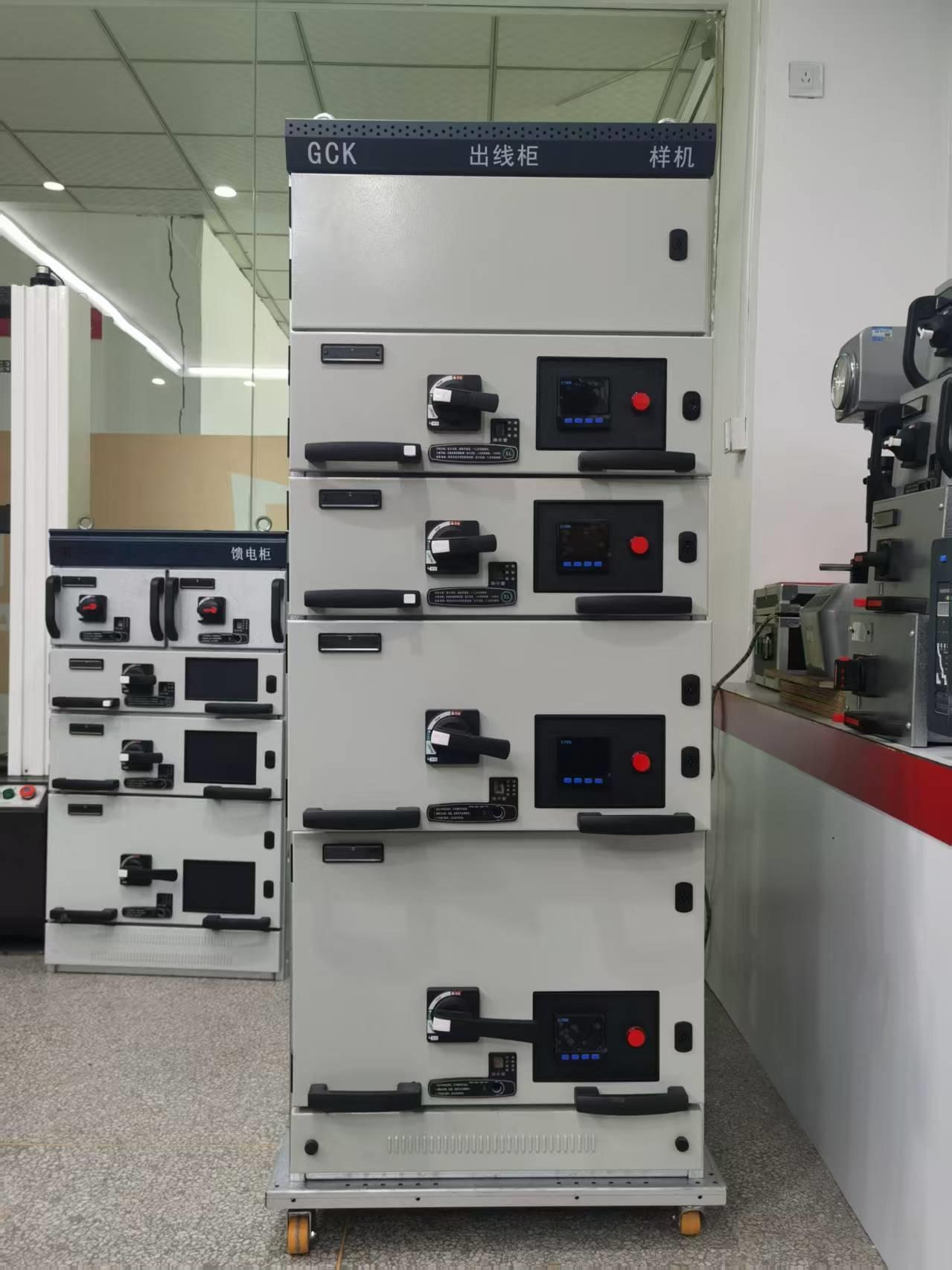
A slick portfolio from another industry tells you almost nothing about how a partner handles the regulatory quirks, buyer rhythms, or margin pressures in yours. A healthcare provider’s award-winning campaign doesn’t prove the same team can navigate just-in-time inventory for industrial parts or churn models for subscription apps. You need evidence that someone has already solved problems shaped by your sector’s constraints, not just adjacent ones.
Ask for case studies that name the operational details you actually live with: seasonality, compliance audits, channel conflict, long sales cycles, or fragile supply chains. A track record in retail won’t translate automatically to B2B services if the selling motion and data sources are completely different. Look for repeated, recent wins inside your own vertical—preferably with metrics tied to the same levers your leadership team tracks internally.
Generic experience can still be useful, but it shouldn’t be the deciding factor. If a vendor knows your sector, onboarding gets faster, assumptions are tested earlier, and less budget gets burned on learning the ropes. That accumulated pattern recognition is often the difference between a launch that misfires and one that compounds from day one.
Ask How They Handle Complex Design Changes
Complex design changes rarely arrive with a neat warning. The real test of a team is not how they manage when everything goes according to plan, but how they react when a core requirement shifts mid-project. Ask directly what their process looks like when a design adjustment affects multiple modules or forces a rethink of a database schema. Their answer will tell you whether they have a structured way to assess impact or just improvise under pressure.
Look for teams that can describe a concrete example without drifting into vague promises. A strong response usually includes how they evaluate the change against the existing timeline, budget, and technical debt, then present options rather than a flat yes or no. If they mention documenting the decision and looping in everyone from developers to stakeholders early, that's a sign they treat design changes as a collaborative problem, not a blame game.
Also pay attention to how they talk about past failures or near-misses. Teams that have handled complex design changes well often admit what they would do differently next time. That kind of self-awareness is more valuable than a rehearsed success story because it shows they actually reflect on their process and adapt it for future projects.
Read the Fine Print on Testing and Compliance
The first red flag is often tucked into the phrase "independently tested." A vendor might wave a certificate showing a product passed a particular lab check, but the fine print reveals the test only covered a narrow performance window or an older version of the component. Ask for the exact protocol, the date of the test, and whether the sample was pulled from production or hand-picked by the manufacturer. A meaningful compliance claim should map to the conditions your team actually faces, not to a controlled environment that never matches reality.
Beyond the lab report, check whether compliance is treated as a one-time event or an ongoing obligation. Some suppliers lock in a certification once and then quietly change materials, firmware, or manufacturing locations without re-testing. The documentation may still look current, but the product on your dock is no longer the one that passed. Build in language that requires re-certification after any substantive change and gives you the right to audit test records at the source.
Finally, pay attention to what the fine print does not say. Missing details around restricted substances, voltage tolerances, or firmware update responsibilities often matter more than the bold claims on the first page. If a test summary glosses over failure rates, sample sizes, or accreditation scope, treat that silence as a risk signal. The goal is not to collect paperwork but to verify that the compliance story holds up under your own operating conditions.
Consider Who Answers the Phone at 2 a.m.
Plenty of companies claim to offer round-the-clock support, but claiming it and having an actual human pick up at two in the morning are very different things. Before signing on with a service or buying a product that's critical to your operations, test that emergency line yourself. Call after hours and see if you get a real person, a rushed callback hours later, or just a recording telling you to leave a message.
The difference matters most when something breaks at the worst possible moment. A live voice can walk you through a fix, authorize a replacement, or at least confirm someone is on the way. An automated system just adds another layer of frustration while you're already stressed. Ask current customers about their late-night experiences, or check review sites for comments about after-hours responsiveness before you commit.
Don't settle for vague promises. Ask directly who exactly answers that 2 a.m. call, where they're located, and what they're authorized to do without waking a manager. If the answer is evasive, you already know what your own midnight emergency will look like.
Visit a Working Installation to See the Build Quality
You can study brochures and zoom in on product photos all day, but there is no substitute for standing next to a structure that has been in service for months or years. A quick site visit often reveals small things that marketing material never shows: how joints line up, whether fasteners sit flush, and if the finish still looks even after weather exposure. The overall impression of build quality becomes clear within the first few minutes of walking around.
Pay attention to details that are easy to overlook in a showroom. Run your hand along welded seams and check for consistent bead width. Look closely at cut edges for burrs or rough spots. Notice whether panels align without visible gaps, and ask how the installation has held up through temperature swings or heavy use. These observations tell you far more about fabrication standards than any specification sheet.
If possible, talk with the owner or maintenance staff. They will often point out things they wish had been done differently or praise features that have saved them time. A working installation gives you a chance to see the product under real load, with real wear, and in a real environment. That kind of evidence is hard to argue with when you are comparing options.
FAQ
Look for a company that asks about your load profile, fault ratings, and future expansion before quoting. A genuine partner will review your single-line diagram and specify busbar sizing, breaker coordination, and enclosure ratings around your actual operating conditions, not hand you a catalog number.
Weight it heavily if the projects resemble yours. A company that has built switchgear for water treatment plants understands humidity and corrosion; one that has supplied data centers knows harmonic loads and zero-downtime changeovers. Ask for references from similar facilities and call them.
No. Confirm the panel shop holds current UL 891 or UL 1558 listings for the equipment type you need, and check whether their quality system is ISO 9001. Also verify that the engineering staff, not just the assembly line, signs off on short-circuit withstand ratings and selective coordination studies.
It matters more than price in many cases. Off-the-shelf layouts often force compromises in cable entry, metering placement, or future breaker slots. A strong partner will modify bus configuration, add split panels, or design for bottom entry without treating every change as an expensive add-on.
Ask for a written response time for emergency callouts and a named service contact. Check if they stock spares for the breakers they install and whether they offer infrared scanning or breaker maintenance after startup. If they hesitate to put these commitments in writing, keep looking.
Local can be faster for modifications and field support, but national firms may have deeper engineering resources. The key is whether you get a dedicated project manager and a factory witness test. If a local shop has in-house powder coating and copper fabrication, they can often match national quality with shorter lead times.
It should cover dielectric withstand, continuity, mechanical operation of every breaker and interlock, and verification of control wiring against the schematic. Also request a heat run or at least thermal imaging under load if possible. Watch for any manufacturer that considers visual inspection a substitute for these tests.
Cheaper switchgear often hides thinner busbars, fewer spare breaker slots, and limited fault ratings. Compare not just the purchase price but the cost of adding a breaker later, replacing worn parts, and downtime during bus maintenance. A modest premium upfront can be far cheaper than an emergency retrofit in five years.
Conclusion
Choosing a low voltage switchgear partner starts well before you compare quotes. Map out your actual load profile first: continuous current, short-circuit ratings, harmonic content, and any planned expansion. A partner who asks about these details before recommending a lineup is already ahead of one who pushes a standard catalogue. Next, dig into their work in your specific sector—data centers, water treatment, mining, or commercial buildings each have distinct breaker coordination and arc-flash constraints. Past projects in a different field do not automatically transfer. Also ask directly how they handle complex design changes after the order is placed. The answer should include specific revision control steps, not vague assurances about flexibility. If they cannot describe how a late busbar change gets documented and revalidated, keep looking.
The paperwork side matters just as much as the steel. Read every line on testing and compliance: ask for witnessed temperature-rise tests, internal arc classification, and seismic qualification if relevant. A credible partner will provide third-party certificates without hesitation. Then test their service reflex: call their support line late and see who actually answers. A 2 a.m. breaker trip is no time to discover a voice mailbox. Finally, insist on visiting a working installation similar to yours, not a showroom mock-up. Look at cable entry, busbar alignment, label legibility, and how cleanly the panels are built. If the installed base looks rushed or hard to maintain, your project will inherit the same habits. The right partner combines technical depth, documented compliance, and a service culture you can verify with your own eyes.
Contact Us
Contact Person: Hellen
Email: [email protected]
Tel/WhatsApp: 86-13634205622
Website: https://www.voltcabinet.com