
Non-Woven Tote Bag Distributor Guide to Boost Your Brand Visibility
2026-10-27
Every time a customer walks out with a plain plastic bag, your brand misses a chance to be seen. Non-woven tote bags flip that script—they're reusable, durable, and quietly turn everyday errands into repeated impressions. For distributors, the real challenge isn't finding bags; it's using them strategically to amplify visibility. This guide shows you how, with production insights from Top Packaging to keep quality high while your brand travels further.
Hand Them Out Where Foot Traffic Already Flows
Skip the empty parking lots and quiet side streets. Go straight to the places where people already gather—farmers markets on Saturday mornings, the line outside a busy coffee shop at 8 a.m., or the bleachers during a local softball game. That’s where your flyers, samples, or coupons stop being background noise and start getting noticed. The foot traffic is already there; you just need to meet it with something worth grabbing.
Think about the rhythm of those spaces. A subway exit at rush hour moves fast, so a quick handout with a bold visual works better than a wordy brochure. A park bench near the playground gives parents a moment to actually read what you’re handing them. Match the pace of the crowd—don’t force a relaxed pitch on people sprinting to catch a bus. And don’t just stand at the edge: put yourself near the bottleneck, like the entrance to a food truck festival or the ticket line at a community theater, where people are already waiting and have a spare hand.
But being where the people are isn’t enough if you’re just another arm shoving paper at them. Watch how the flow moves. If there’s a long wait for a table outside a popular brunch spot, offer something that fits that moment—a mini menu teaser, a discount for next weekend, or a scratch-off that reveals a free coffee. Hand things out like you’re sharing something useful, not clearing inventory. When you work with how people already move through a place, the response feels less like a pitch and more like a natural part of their day.
Build the Bag Around Daily Errands, Not Just Events
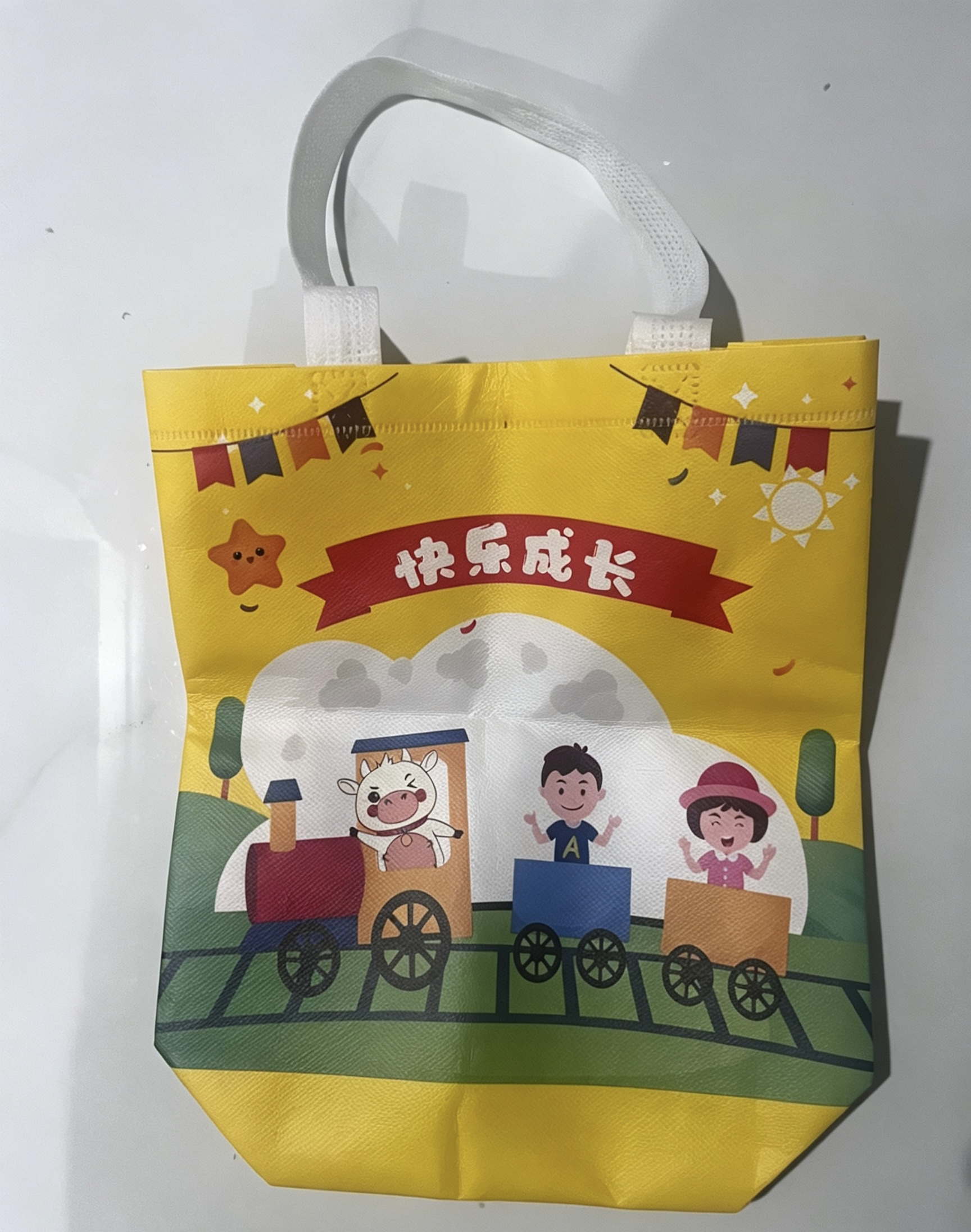
The mistake most of us make is packing for a life we don't actually lead. We toss in the heels, the full makeup kit, the novel we'll never crack open, all because some imaginary "just in case" moment might appear. But look at your actual Tuesday: drugstore, dry cleaner, school run, maybe a quick workout. Those are the tasks that decide what should live in your bag. If you're not grabbing it at least twice a week, it's dead weight.
Building around errands doesn't mean boring or minimalist—it means honest. Keep the daily essentials within easy reach: keys, wallet, phone, a pen that actually writes, maybe a slim snack. Then leave one empty-ish pocket for the weird stuff: a spilled coffee, a surprise errand, a kid's random art project. That little bit of slack is what makes a bag feel intuitive. You stop unpacking half your life every night because the bag already matches the day you're actually living.
Let Local Shops Co-Brand Without Added Fees
Pairing a neighborhood bakery with a nearby florist for Valentine’s Day sounds charming, but most partnership platforms quietly eat into margins with listing charges, success fees, or monthly subscriptions. When local shops co-brand without added fees, every dollar from a joint campaign stays in the community. The arrangement can be as simple as a shared window display, a bundled gift box, or a cross-promoted loyalty punch card—none of which needs a third-party gateway to succeed.
Without fee pressure, owners focus on what actually drives repeat visits: thoughtful product pairings and genuine referrals. A coffee roaster and a ceramicist might offer a limited set where each purchase includes a discount note for the other’s store. Because nobody is tracking commission tiers, the collaboration feels less like a transaction and more like neighborly support, which customers tend to notice and reward with stronger word of mouth.
Use Short Runs to Test Which Colors Get Carried
Instead of gambling on a full inventory of an unproven shade, short runs let you see what customers actually reach for. You can drop 40 or 60 pieces of a new color into a few stores or online, then watch how quickly they move. A color that sells out in days tells you more than any mood board or seasonal forecast. One that lingers for weeks is a clear signal to skip the reorder.
Before you run the test, decide what counts as a win. Maybe it's selling 70% of the run within two weeks, or getting a certain number of restock requests from retailers. That way you're not making calls based on gut feel after the fact. You're just reading the numbers against a line you already drew.
The trick is to keep the batch small enough that you're not stuck with dead stock, but large enough to give a real read. If you only make five units and they sell out, you still don't know if that was one eager customer or genuine demand. Something like 25 to 50 units per color often works for a first test. Then scale the winners and quietly drop the rest.
Make the Handle Comfortable Enough to Keep
A handle that feels good in your hand changes how often you reach for the tool. Sand down any rough edges, round off sharp corners, and consider wrapping the grip with leather, paracord, or a soft rubber sleeve. The goal is a surface that invites your palm to settle in without pinching or slipping.
Pay attention to the diameter and contour. Too thin and your hand cramps after a few minutes; too thick and you lose precise control. If the original shape is close but not quite right, build it up with a few layers of grip tape or a contoured epoxy putty, then sand it smooth. Test the feel with bare hands and with work gloves to find the sweet spot.
Small comfort upgrades often get skipped because they seem cosmetic, but they directly affect how long you can work without fatigue. A well-shaped handle reduces blisters, improves leverage, and makes the tool feel like an extension of your arm rather than something you have to fight. Once you make it comfortable, you will actually want to keep it within easy reach.
Follow Each Bag's Second Life Through Customer Photos
Our bags are more than accessories—they're companions on real journeys. When customers share photos of their well-worn totes at a farmers' market, a patched-up backpack on a hiking trail, or a crossbody bag resting on a café table years after purchase, we see the true lifespan of our work. These images aren't staged campaigns; they're quiet proof that good design ages gracefully.
Scroll through the customer gallery and you'll notice the stories: a faded canvas tote holding library books, a leather satchel softened by daily commuting, a travel duffel covered in airline stickers from a dozen countries. Each photo captures a moment where the bag stopped being just a product and started being part of someone's routine. We collect these snapshots not to sell more, but to document the honest, imperfect beauty of use.
If you've carried one of our bags through your own chapters, we'd love to see it. Send a photo of your bag living its second life—scuffed, stained, repaired, or simply well-loved. Because the best design doesn't stay new; it gets better with every mile it travels with you.
FAQ
Non-woven totes are lightweight yet sturdy enough to handle daily use, which means they get carried repeatedly. Unlike paper or single-use plastic, they stay in rotation for months, turning every trip to a grocery store or gym into a chance for your brand to be seen. For distributors, this repeat exposure justifies a modest upfront cost.
It starts with understanding where the bag will be used. For light giveaways at events, a 60-80 GSM bag keeps costs down but may tear easily. If the goal is long-term visibility, recommend 90-120 GSM with reinforced stitching and a laminated finish. A heavier bag feels more premium, so people are more likely to keep and use it.
Edge-to-edge printing, colored gussets, contrasting handles, and inner pocket prints often get overlooked. Adding a subtle pattern inside the bag or a bold side panel design gives the tote a more designed, less promotional look. This makes people treat it as a reusable accessory rather than a freebie.
Bright, high-contrast colors like cobalt, orange, or lime show up better at a distance and in crowded spaces. However, the bag also needs to match the user's everyday wardrobe, or it won't get carried. Distributors should guide clients toward two-tone designs: a neutral body with a bold handle or bottom panel to balance wearability with visibility.
A bag that's too small or has short handles ends up at the back of a closet. Recommend a main compartment wide enough to hold a standard laptop or a few grocery items, with long enough handles to sling over the shoulder. Ergonomic details like a wider handle drop and a flat bottom make the bag much more functional, which directly increases how often it leaves the house.
Instead of simply stacking bags at a trade show booth, pair them with something people already want, like a free sample kit or a purchase threshold gift. Partnering with local businesses to include a branded tote in a welcome package or using them as employee onboarding kits also works well. The key is to put the bag into a moment where the recipient has an immediate use for it.
Request a pre-production sample for every order and keep a reference swatch book for fabric weight, print colors, and handle stitching. Specify tolerance limits for color variation and evenness of the gusset. A clear tech pack with photos of acceptable and unacceptable stitching or print alignment prevents the frustrating batch-to-batch drift that can dilute brand visibility.
Overloading the bag with text and logos, choosing the cheapest lightweight option that wrinkles easily, and ignoring handle comfort are the biggest missteps. Another common error is ordering too many bags without a distribution plan. A well-designed bag that never leaves the storage room does nothing for visibility; fewer, higher-quality bags given to the right people outperform a massive pile of unused giveaways.
Conclusion
Getting your non-woven totes into the right hands starts with choosing places people already are—farmers markets, transit stops, gym entrances, neighborhood coffee counters. Don't wait for a big event. Instead, design the bag around everyday routines: a size that holds a few groceries, a pocket for a water bottle, a flat bottom for takeout containers. When the bag fits into errands, it gets used again and again. Invite nearby shops to add their own stamp or tag at no cost. This isn't a licensing fee situation; it's a small gesture that turns a single bag into a shared local asset. Co-branded bags show up in more doorways and on more shoulders than a solo logo ever will.
Before committing to a large order, run short batches in two or three colors and watch which ones actually leave the counter. Bright tones may catch eyes, but muted shades often match more outfits and end up carried longer. Don't overlook the handle—if it digs into a hand or stretches after one heavy load, people will toss the bag. A soft, reinforced handle keeps it in rotation. Finally, track the bag's second life. Ask customers to snap a photo when they reuse it at the beach, the library, or the corner store. Those candid shots do more than any ad, because they show your brand woven into real, repeated moments. The goal isn't just distribution; it's staying visible long after the first handoff.
Contact Us
Contact Person: Shelly
Email: [email protected]
Tel/WhatsApp: 86-577-64286522
Website: https://www.topmovingpad.com/