
Office Chair Company: How to Choose the Right One for Your Needs
2026-09-28
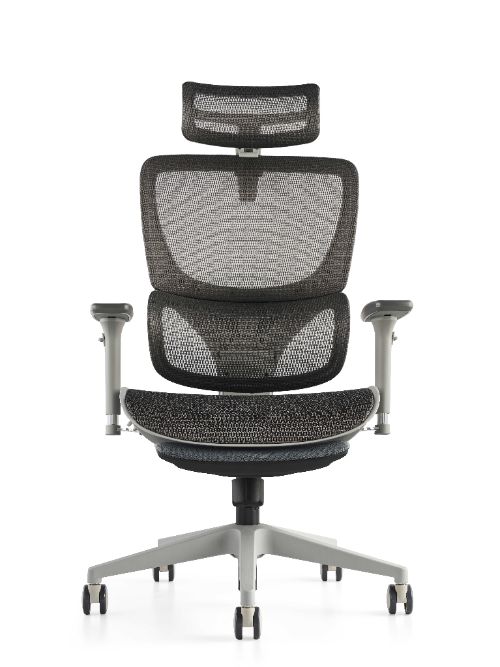
Shopping for an office chair that actually supports your workday? OFCJNS has spent years perfecting designs that blend comfort and durability—but the real question is what you need. Before you settle for a generic seat, let's unpack the key factors that separate a forgettable chair from the one you'll rely on for years.
Start with Your Daily Work Patterns
Most productivity advice jumps straight to tools and hacks, but real improvement begins with noticing the shape of your own workday. Pay attention to when you naturally concentrate best, when your energy dips, and which tasks you keep postponing. Those patterns aren't flaws to fix—they're clues about how to structure your time more honestly.
Instead of forcing yourself into someone else's ideal schedule, map one ordinary week. Jot down what you actually do in each block of time, including the interruptions and small distractions you usually ignore. You'll likely find a mismatch between how you plan your day and how it actually unfolds. Reducing that friction matters more than adding another app or technique.
Once you see your real patterns, make small adjustments rather than sweeping changes. If you do deep work best before lunch, protect that window. If meetings drain you after 3 p.m., shift low-stakes tasks there. The goal isn't a perfect routine—it's a rhythm that lets you use your energy where it counts without constant self-criticism.
Look Beyond the Showroom Floor
Step past the polished tiles and the row of freshly detailed cars. The real test of a dealership isn't what you see in the first five minutes—it's the service bay you can't see from the customer lounge. Ask to walk through the workshop. Look at the diagnostic equipment, the organization of the parts shelves, and whether the technicians stop to explain what they're doing. A shop that keeps its air tools hung in order and its lift arms clean usually treats your vehicle the same way.
Dig into the less glamorous details. How long does it take to get a routine oil change appointment? Do they stock common wear items like brake pads and filters for your model, or will every repair mean waiting on a shipment? Check the age and condition of cars parked in the employee lot—if the staff drives older, well-maintained vehicles, that says more about their culture than any mission statement on the wall.
Also watch what happens when you're not actively being sold to. Does the service advisor remember a returning customer's name? Is the restroom clean at 4 p.m., not just at opening? These small signals reveal whether the dealership values long-term ownership over a quick signature. The showroom floor is designed to impress; the back lot and service drive are where the truth lives.
Ask About Materials and Build Quality
Before you commit to a purchase, resist the urge to judge a product by its glossy photos or brand reputation alone. Ask pointed questions about what it's actually made from. Is that "leather" chair genuine top-grain hide, or a bonded mix that will peel within a year? Does the stainless steel sink feel thin and tinny, or does it have the reassuring heft of 16-gauge construction? Materials dictate longevity, and a little interrogation up front can save you from the heartbreak of premature wear.
Dig into the build details, too. Look closely at the joints—are they dovetailed, welded, or just glued and stapled? Run your fingers along seams and edges; wobble the hinges, press on the frame, and listen for creaks. Ask whether the product has been tested for load capacity, UV exposure, or abrasion resistance. These are the hidden markers of quality that don't show up in a spec sheet but reveal themselves in daily use. If the seller hesitates or changes the subject, that's your answer.
Finally, don't settle for vague reassurances like "premium quality" or "built to last." Request specifics: the type of wood species, the grade of aluminum, the thread count of fabric, or the thickness of the powder coating. Compare those numbers across brands, and you'll quickly see which products are engineered for decades and which are designed for the dump. A few minutes of grilling can turn an impulse buy into a lifelong keeper.
Check the Fine Print on Warranties and Returns
Before you commit to a purchase, take a few minutes to actually read the warranty and return policy instead of assuming the standard rules apply. Many retailers quietly shorten return windows during holiday sales, require original packaging, or charge restocking fees that aren't obvious at checkout. Some products, like electronics or clearance items, may carry only a limited manufacturer warranty that requires you to register within a specific timeframe.
Pay close attention to what counts as a valid reason for return. Damage from normal wear and tear, accidental drops, or even opening sealed software can void your options. If a warranty promises lifetime coverage, find out whose lifetime it means—yours, the product's, or the company's definition, which could be as short as three years. Similarly, check whether repair or replacement shipping costs fall on you.
Finally, keep your receipts, order confirmations, and photos of any defects as soon as you notice them. If a return policy seems unusually strict, consider buying from a retailer with a clearer track record, or use a credit card that offers extended warranty protection as a backup. A little scrutiny now can save you from a frustrating dispute later.
Compare Real User Feedback, Not Just Ratings
A five-star score tells you almost nothing about whether a product will actually work for you. Two people can give the same rating for completely opposite reasons — one because it arrived on time, another because the build quality held up after a year of daily use. Real sentences from buyers expose those motivations, and they often mention details that never make it into a numbered score, like how loud the motor gets at night or whether the app forces you to create an account.
Star averages also flatten time. A product could have dozens of glowing reviews from three years ago and a string of recent complaints about a changed formula or a bad software update. When you read the actual comments instead of just glancing at the total, you can see when the mood shifted and why. That timestamp matters more than the aggregate.
Pay attention to patterns that repeat across multiple reviewers. If one person says the strap broke, that might be bad luck. If seven people say it snapped within the first two weeks, that's a design flaw no five-star average will reveal. Actual feedback lets you weigh the severity and frequency of problems against your own priorities, which is the whole point of checking reviews in the first place.
Test the Chair the Way You Actually Sit
Forget the upright, hands-on-knees pose you default to in a showroom. Sit the way your body actually settles after an hour of emails or a long movie. Slouch a little, cross one ankle over the opposite knee, twist sideways to grab a bag, and lean heavily on one armrest. If the chair forces you back into a rigid position or digs into your thighs mid-slouch, it’s not built for your real habits.
Shift around without standing up. Rock forward when you’re concentrating, slide down when you’re tired, tuck one leg underneath if that’s your thing. Listen for creaks, feel for hard edges under your shoulder blades, and check whether the lumbar curve still supports the spot where your lower back actually hollows. A chair that only feels right in one “correct” posture will punish you by the second afternoon.
Give it enough time to reveal its flaws. Ten minutes of casual sitting won’t tell you much; forty minutes of doing normal things will. Bring your phone, a book, or just stare out the window, but stay put long enough for foam to compress and fabric to warm up. That’s when pressure points under your sit bones and behind your knees start talking, and you’ll know whether the chair passes the test.
FAQ
Start by checking how long they've been around and whether they actually specialize in seating rather than treating chairs as a side product. A decent company will have clear information on materials, warranty coverage, and return policies without making you dig for it.
Look for adjustable lumbar support that moves both vertically and depth-wise. If you can't test the chair in person, detailed diagrams showing where the support sits relative to your spine are a good sign the company understands ergonomics.
Smaller companies often offer more personalized guidance and quicker responses when something goes wrong. Larger manufacturers usually have broader product ranges and faster shipping. It comes down to whether you value hand-holding or variety more.
Mesh backs breathe well and keep you cool, while high-density foam seats tend to last longer than cheaper molded foam. If you go with leather, make sure it's top-grain or bonded with a clear maintenance guide—cheap leather cracks fast.
Adjustability matters more over a full workday because no amount of padding can fix poor posture. A chair with multiple adjustment points will fit your body, whereas a plush but fixed chair might feel good for an hour then cause strain.
Expect at least five to eight years from a chair in the mid-range price bracket. The frame should carry a warranty of five years or longer, and the gas lift should be replaceable without replacing the whole chair.
Ask about lead times, whether they offer assembly services, and how they handle warranty claims for businesses. A reliable company will give you a dedicated contact person rather than a generic support ticket system.
Yes, look for a chair with a smaller footprint but full ergonomic features. Many companies now design hybrid models that don't look out of place in a living room but still meet all-day office standards.
Conclusion
Choosing an office chair is less about brand names and more about how the chair fits into a typical workday. If you spend long stretches typing, you’ll want adjustable lumbar support and a seat that doesn’t cut off circulation behind your knees. If your day involves moving between a desk and a meeting table, a chair with smooth casters and a swivel that doesn’t fight you becomes important. A quick sit in a showroom rarely tells the truth—showroom floors are often set up to make chairs feel softer and more supportive than they’ll be after three weeks of real use. Instead, look at what the chair is made of: the density of the foam, the quality of the mesh, the thickness of the base, and whether the armrests are solid or hollow plastic. Those details show up later as squeaks, wobbles, or flat cushions.
Before you commit, read the warranty and return policy carefully. Some companies advertise a long warranty but exclude the seat cushion or armrests—the very parts that wear out first. Also check how returns work: some brands require you to keep the original box, which can be a hassle in a small apartment. User feedback can guide you here, but skip the star ratings and look for comments that mention specific working conditions—someone who sits eight hours a day, someone with lower back pain, or someone who returned the chair after a month. Finally, once the chair arrives, test it the way you actually sit: lean back during a call, sit cross-legged for a while, or pull yourself closer to the desk. If you have to readjust constantly or feel pressure in your thighs after an hour, that chair probably isn’t the match. The right office chair company will make it easy to find a chair you can live with for years, not just for the first week.
Contact Us
Contact Person: Diff Wang
Email: [email protected]
Tel/WhatsApp: +8613650281199
Website: https://www.ofcmeshchair.com/