
Specialty Fasteners Distributor Key Factors to Evaluate Before You Partner
2026-10-09
Choosing a specialty fasteners distributor is rarely a simple checkbox exercise. A single mismatched thread or delayed shipment can ripple into costly downtime, yet many teams still default to whoever offers the lowest unit price. Before you lock in a partner, you need to look beyond the catalog: think inventory depth, engineering support, and lead-time reliability. It's why brands like Peak Fasten have become a reference point for buyers who can't afford guesswork. But not every distributor can match that standard — and the gap only shows up when it's already too late.
How Deep Is the Odd-Size Inventory, Really?
The odd-size inventory has a way of tricking even seasoned buyers. You see a few units on the shelf and assume that's the whole story, but the truth is far more layered. Several suppliers keep secondary stock off the floor, tucked into overflow racks or holding areas that rarely get counted on a normal walkthrough. That hidden depth changes the math entirely if you're planning a bulk purchase.
What makes the depth misleading is how it spreads across sizes that don't show obvious patterns. A size 9 wide might have twenty pairs in back, while a size 10 narrow sits at zero for weeks. Buyers who only glance at the visible rows end up overestimating consistency. The real number demands a line-by-line audit, not a quick visual sweep.
And then there's the phantom inventory problem. Some odd-size entries linger in the system long after the last pair has sold, because returns get processed slowly or mismatched between departments. So the documented depth can be either inflated or understated depending on the week. If you're relying on the database alone, you're guessing. Only a physical count with someone who knows the back corners gives you an honest read.
Can Their Engineers Read Your Print, Not Just a Part Number?
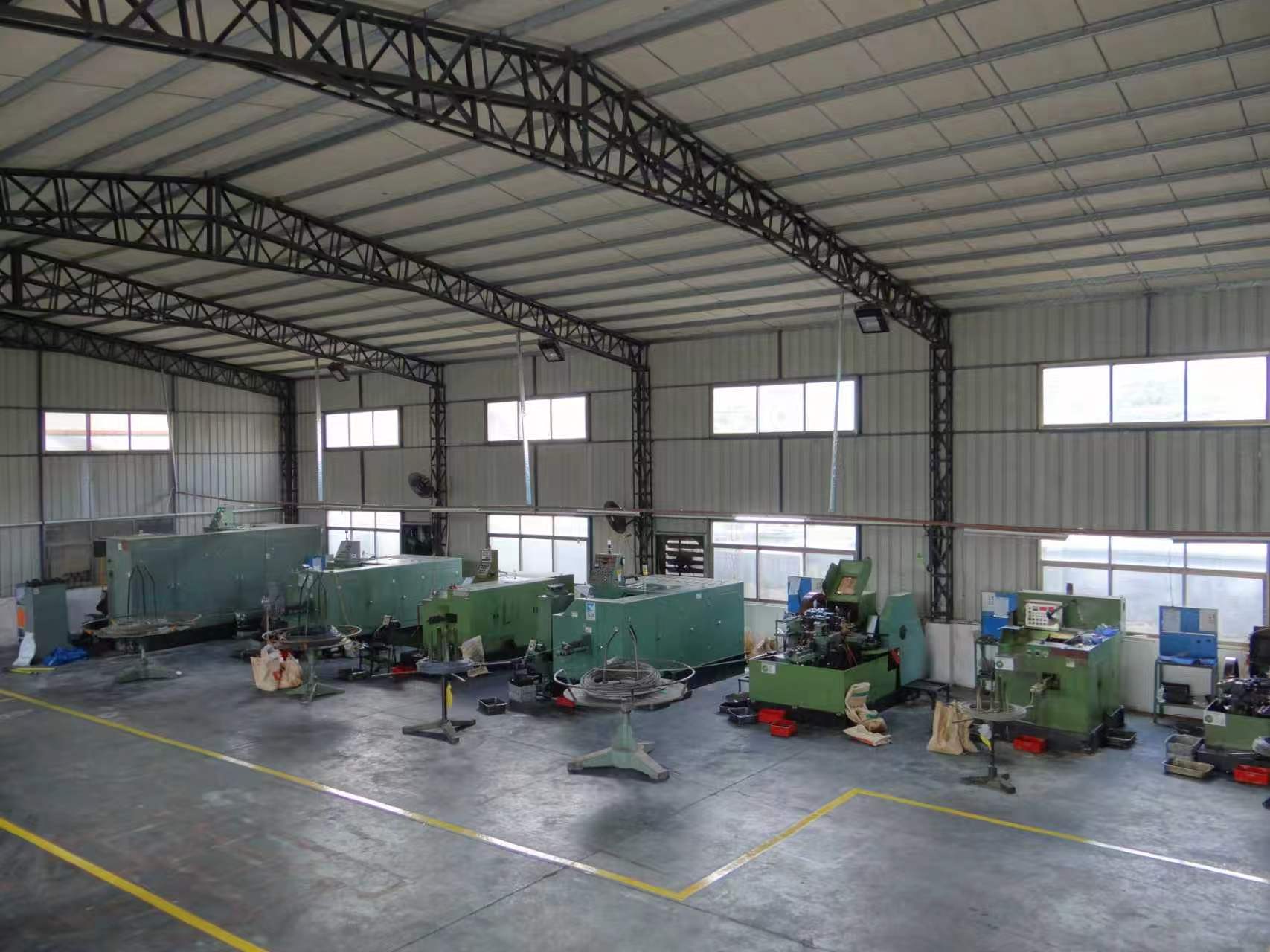
The real test isn't whether a shop can look up a number in their system; it's whether their engineers can interpret dimensions, tolerances, finish callouts, and revision notes on your actual drawing. Many suppliers handle commodity parts by part number but stumble when a print has GD&T, custom notes, or mixed units. If you're sending out a drawing with critical features, you need someone who reads the title block, checks the revision level, and asks about ambiguous callouts before cutting metal.
Ask them a simple question: "What does this datum scheme mean for this feature?" or "How would you hold this true position?" If their answer is vague or they only reference the part number, that's a red flag. A capable machine shop can tell you how they'd fixture the part, which tolerances drive cost, and whether your surface finish callout is realistic for the material. That kind of feedback only comes from engineers who read the print, not just the label.
Certifications and Lot Tracking You Can Defend in an Audit
Lot tracking isn't just assigning batch numbers; it's a paper trail that connects raw materials to finished products. When an auditor asks to see records, you can show exactly which lot of ingredient went into which production run, when, and under what conditions. That level of specificity turns a stressful review into a straightforward document pull.
Certifications add weight only if they're backed by live data. A certificate on the wall means little if your lot records have gaps or inconsistent date formats. Build lot tracking into daily workflows—scan at receiving, scan at dispensing, scan at packaging—so the system captures timestamps and user IDs without extra effort. This way, your ISO or GMP audit isn't a scramble to reconstruct history; it's already there.
Auditors look for defensible decisions, not perfection. If a batch failed a quality check, show the lot number, the disposition, and the corrective action. Keeping a clear chain of custody for every lot gives you the confidence to say, "Here's what happened and here's proof." That's the kind of answer that ends an audit well.
What Happens When Your Line Needs 300 Pieces by Thursday?
Friday afternoon, the production schedule says you have a comfortable week. Then the email lands: a key customer just pulled in their delivery date, and now your line has to push out 300 units by Thursday. Suddenly, the calm disappears. The first thing you do is check raw material inventory—half the required aluminum extrusion isn't on the shelf. The second thing is pull up machine capacity, but the CNC cell is already booked solid through Wednesday.
You start making calls. A supplier in Ohio promises to overnight the missing components for an eye-watering freight charge. The night shift agrees to run extra hours, but that means bumping another job that was already promised for Friday. Someone on the floor points out the final inspection checklist hasn't been updated for this revision. Meanwhile, the shipping dock says they can't guarantee a Thursday pickup unless the order is ready by noon. Every fix creates a new ripple.
In the end, the 300 pieces might go out the door on time—if you're lucky. But the real cost shows up later: overtime pay, premium freight, disrupted schedules, and a quality team that had to rush. If you've been through this once, you know the answer isn't to work harder next time. It's to build slack into the system—safety stock on critical parts, a few open machine hours each week, and a clear escalation path before a Thursday deadline becomes a crisis.
Kitting, Labeling, and Packaging That Match Your Assembly Flow
When your assembly line runs on tight timing, the last thing you need is a pile of mixed parts or labels that don't line up with your build sequence. We set up kitting so each workstation receives exactly what it needs for the next step—no hunting, no guessing. Whether you're building in small batches or running a continuous line, the kit contents and order are tailored to mirror your process map. This way, operators spend their time assembling, not sorting.
Labeling follows the same logic. Instead of generic tags, we generate labels that carry the specific reference numbers, torque specs, or visual cues your team relies on at each station. If your assembly flow shifts—say, a subassembly gets moved upstream—we update the label data and placement so nothing feels out of sync. Packaging isn't an afterthought either; we configure boxes, trays, and protective layers based on how parts are pulled and handed off, reducing motion waste and protecting delicate components until the moment they're installed.
The result is a smooth handoff from warehouse to line side. You won't see operators walking back to a central bin or peeling off the wrong sticker mid-build. Every kit, label, and package fits the natural rhythm of your floor, which means fewer line stops and a cleaner audit trail when you need to trace a batch.
Do They Know Your Industry’s Failure Points, or Just Fastener Specs?
A supplier can recite tensile strength and thread pitch all day, but that doesn’t mean they’ve ever watched a bracket shear off in a salt-spray chamber. The real question is whether they understand why your assemblies fail in the field, not just what the datasheet says. If they’ve never asked about your load cycles, vibration profiles, or corrosion exposure, you’re probably buying generic hardware dressed up as a solution.
Look for partners who talk about fatigue fractures, galvanic mismatch, and torque relaxation before they bring up part numbers. These are the failure points that actually drive warranty claims and downtime. A vendor who only pushes “high-strength” options without discussing joint design or installation torque hasn’t earned the right to call themselves an industry specialist. They’re just moving inventory.
The ones worth keeping will ask about your worst-case operating conditions and past field failures, then adjust material selection or coating choices accordingly. They’ll challenge your assumptions instead of blindly quoting the same bolt size you’ve used for a decade. That’s the difference between a catalog jockey and a technical partner who can keep your equipment running when it matters most.
FAQ
Look for a track record in your specific sector, not just general claims. Ask for case studies or references from companies with similar applications, and listen for how they discuss standards like material traceability or torque specs that matter in your field.
Certifications matter, but dig into how they handle nonconforming lots, whether they perform in-house testing for dimensional or plating issues, and how fast they share corrective action reports when something goes wrong.
It can make or break a project. A good distributor should carry or quickly source odd sizes, uncommon materials, or niche finishes, not just mainstream catalog items. Ask about their safety stock programs and lead times on nonstandard parts.
Ask them to walk through a difficult fastener selection or failure scenario. A strong partner will ask about load, vibration, corrosion, and installation method rather than just reading a part number back to you.
Because downtime and line stoppages often cost far more than any unit price savings. A distributor that consistently hits release dates and communicates delays early protects your production schedule.
Ask where they source from, whether they have multiple approved mills or manufacturers, and how they managed recent disruptions. A partner with redundant supply lines and local backup stock is less likely to leave you stranded.
Yes, but it’s about more than the invoice. You want a distributor that explains cost drivers—material surcharges, plating, small lot fees—so you can plan budgets instead of being surprised by hidden charges.
Look for vendor-managed inventory, kitting, custom packaging, or engineering assistance. If they proactively suggest consolidation or alternative parts that reduce total cost, they’re acting as a partner, not just a middleman.
Conclusion
A specialty fastener distributor either earns trust on the first odd-size request or loses it. Surface-level catalogs don't tell you much—what matters is whether they actually stock the weird stuff: long-reach socket heads, nonstandard thread pitches, metric fine variants that never show up in a standard bin. Equally important is the engineering side. If their team can't read your print and suggest a workable alternative when a specified fastener is overkill, you're just getting a box mover. Certifications should go beyond paper. Ask how they handle lot traceability, material test reports, and whether their records would survive a customer audit without a scramble.
Then think about the moments that actually shut a line down. If you need 300 pieces by Thursday, does the distributor have a same-day will-call or a local hub, or are you waiting on a truck from three states away? Packaging matters more than most buyers admit. Kits that arrive pre-sorted by assembly step, labeled with your part numbers, and packed to match your workflow save hours on the floor. Finally, dig into industry knowledge. A good specialty distributor can tell you why a particular stainless grade fails in your chemical environment, not just recite a spec sheet. If they can't connect fastener choice to your real failure points, keep looking.
Contact Us
Contact Person: Mason Lv
Email: [email protected]
Tel/WhatsApp: +86 13027998452
Website: https://www.peakfastentech.com